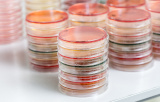

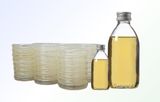
Microbiological media, also known as culture media, are essential tools used to cultivate and study microorganisms under laboratory conditions. These media provide the necessary nutrients and environmental conditions that support microbial growth, replication, and biochemical activities, enabling the isolation, identification, and characterization of bacteria, fungi, yeasts, and algae.
Types of Microbiological Media
Microbiological media are classified based on physical state, chemical composition, and specific applications. The main forms include liquid (broth), solid, and semisolid media.
- Liquid Media: Nutrient-rich broths that support general microbial growth, commonly used for cultivation where colony separation is less critical. Examples include nutrient broth and tryptic soy broth. They allow the growth of bacteria, yeasts, and molds and can be monitored for turbidity as a growth indicator.
- Solid Media: Prepared by adding a solidifying agent such as agar, solid media provide a firm surface for microorganisms to grow as discrete colonies. Examples include nutrient agar, blood agar, and MacConkey agar.
- Semisolid Media: Contain less solidifying agent, forming a jelly-like consistency useful for specific testing, such as motility assays and microaerophilic growth. Examples include motility media and fluid thioglycolate medium.
Applications in Research and Diagnostics
- Isolation and purification of bacteria, fungi, and other microbes
- Identification via colony morphology and biochemical reactions
- Antibiotic susceptibility testing
- Microbial contamination evaluation in pharmaceuticals, food, and water quality
- Studying microbial metabolism and genetics
The choice of media depends on the microbial species of interest and experimental goals. For example, researchers studying pathogenic bacteria may use selective and enriched media to isolate and identify clinically relevant strains efficiently.
Microbiological media are formulated mixtures designed to fulfill diverse roles from general cultivation to selective isolation and differentiation of microorganisms. Their preparation involves balancing nutrient provision, inhibitory factors, and physical properties (solid, liquid, semisolid) tailored to the target organism’s metabolic and environmental needs. Contemporary laboratory practice relies on a broad portfolio of specialized media to support accurate and reproducible microbial studies.