

Complete Research Solutions fo Respiratory Viruses!

As respiratory virus season begins, the rise in pathogens such as influenza viruses, RSV, human metapneumovirus, and coronaviruses including SARS-CoV-2 drives a substantial increase in respiratory infections. These viruses primarily infect respiratory epithelial cells, where they cause injury through direct replication, cytopathic effects, and strong immune responses. Inflammasome activation and cytokine release amplify airway inflammation, contributing to complications such as pneumonia and acute respiratory distress syndrome.
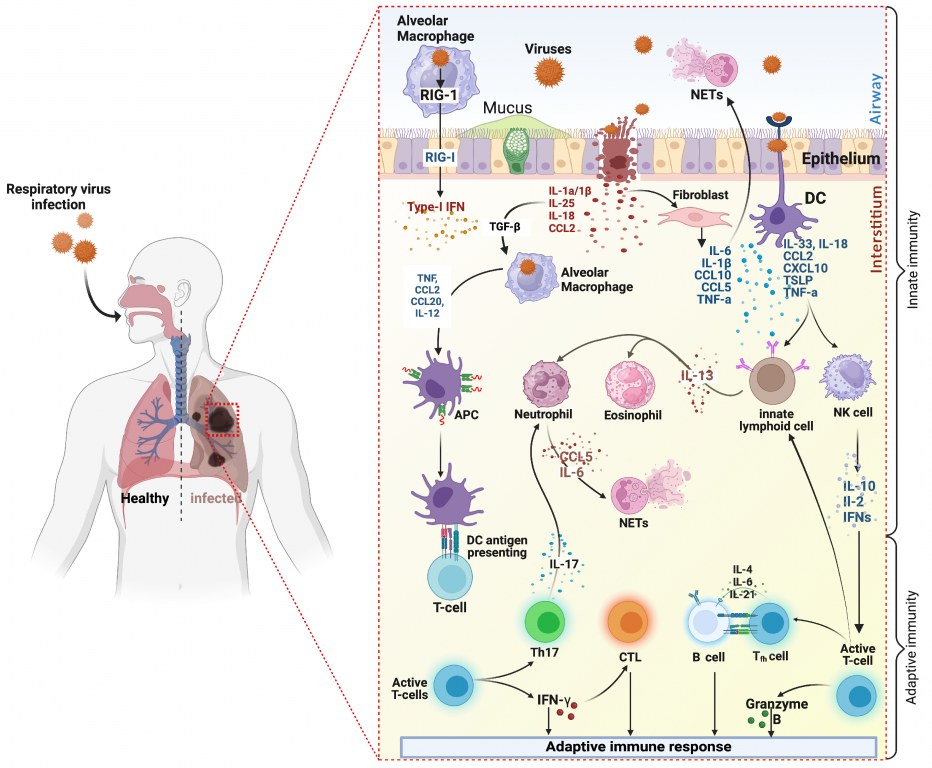
Figure 1. Immune Response to Respiratory Viral Infections
(Microorganisms 2024 Dec 7;12(12):2526. doi: 10.3390/microorganisms12122526)
Respiratory virus infection of airway epithelium activates innate sensors, inducing interferons, cytokines, and chemokines that recruit and stimulate innate immune cells. Dendritic cells then prime T and B cells in lymphoid tissues, leading to cytotoxic killing of infected cells and virus-specific antibody production. If this response is excessive, overproduction of cytokines and chemokines drives harmful inflammation and tissue damage.
Common respiratory viruses
A core group of respiratory viruses—including influenza A virus (IAV), respiratory syncytial virus (RSV), rhinoviruses (HRV), SARS‑CoV‑2, human parainfluenza viruses (HPIVs), human metapneumovirus (HMPV), and adenoviruses—accounts for most acute viral respiratory infections worldwide.
Influenza A virus, IAV
-
Antiviral agents, monoclonal antibodies, and reagents targeting Influenza A Virus (IAV).
-
Viral detection, neutralization assays, and therapeutic studies via entry/replication inhibitors.
-
Tools for IAV lifecycle analysis and immune response evaluation.
Respiratory syncytial virus,RSV
-
Antivirals, monoclonal antibodies, vaccines, and reagents.
-
Tools for detecting RSV, preventing infection, and evaluating therapies targeting fusion protein and viral replication.
-
Resources for RSV treatment development, disease surveillance, and vaccine performance evaluation.
Rhinovirus, HRV
-
Product range includes antibodies, recombinant proteins, and detection kits.
-
Suitable for immunohistochemistry (IHC), flow cytometry (FC), western blotting (WB), ELISA assays, and viral neutralization studies.
-
Products are available in various formats: unconjugated antibodies, conjugates (HRP, Biotin, FITC), and biotinylated proteins.
SARS-CoV-2
-
Recombinant spike proteins for spike antigen detection.
-
Viral RNA extraction kits (magnetic-bead, spin-column or precipitation formats) for efficient isolation of SARS-CoV-2 RNA.
-
ELISA assays to quantify Spike RBD antigen.
Human parainfluenza viruses, HPIVs
-
ELISA kits are widely used for detecting HPIV antibodies.
-
kits support various sample types: serum, plasma, tissue homogenates, and cell lysates.
-
Applications include pathogen detection, biomarker study, and vaccine efficacy evaluation in research settings.
Human Metapneumovirus, HMPV
-
High-specificity antibodies (polyclonal and monoclonal) targeting key viral proteins (M2-2, M, N, and P).
-
Suitable for IF, ELISA, WB, IHC, and neutralization assays.
-
Available unconjugated or pre-conjugated with Biotin, HRP, FITC, PE, or MaxLight dyes for flexible experimental use.
Adenovirus
-
Extensive range of monoclonal and polyclonal reagents targeting hexon, penton, fiber, and conserved antigens for broad serotype detection.
-
Versatile Assay Compatibility: Optimized for ELISA, IFA, Western blot, neutralization, and IHC in respiratory and oncology virology studies.
-
RUO-grade tools streamline workflows for adenovirus monitoring and antiviral screening.
Access a comprehensive respiratory-virus product portfolio.
Browse now
If you don't find the specific product you need, we can still provide it upon request.